

Which Wood is suited for your BioActive enclosure- Cork Bark

Cork Bark has long been loved by the reptile-keeping hobby for many years! Cork Bark is a great choice for BioActive enclosures due to its rot-resistant and lightweight nature. Cork Bark is commonly found in two different forms: Cork Bark tubes and Flats. Both types are equally popular amongst keepers
Cork Bark Tubes Vs Flats
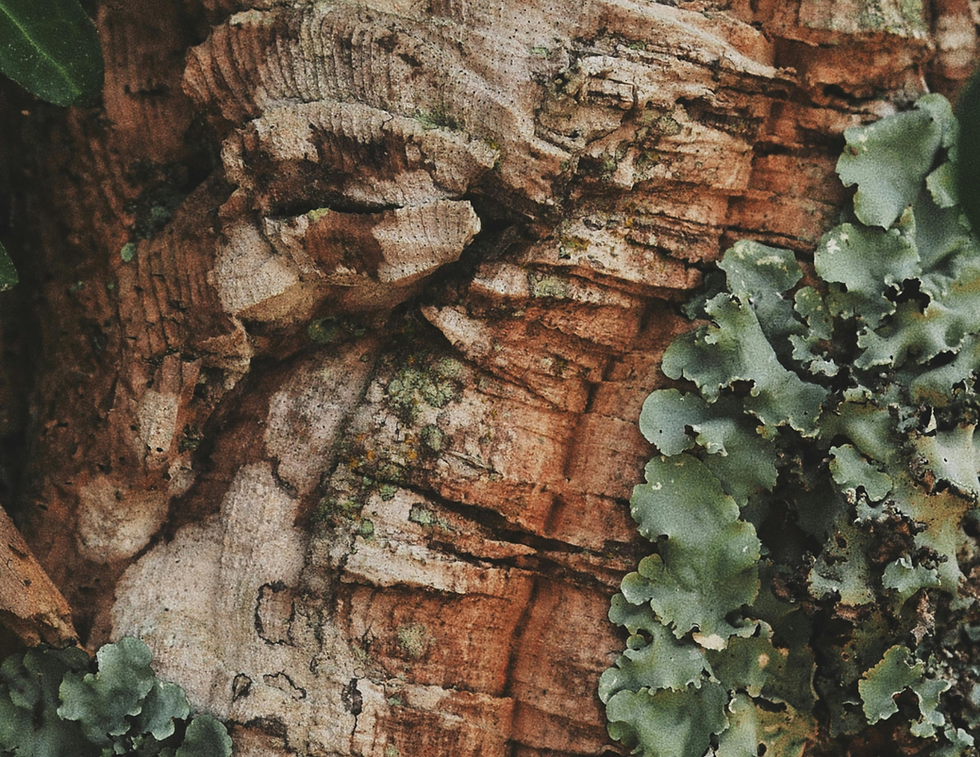
Cork bark tubes are the hollowed-out branches from the cork bark tree. They are commonly used in arboreal enclosures to mimic tree branches. Here at BioActive Supply, we love attaching Bromeliad pups to cork bark tubes.
Cork bark flats come from either the trunk or pieces of branches that have broken off into a flat-ish shape. These pieces are ideal for terrestrial hides or being incorporated into a spray foam backing to mimic a natural look.

Why is Cork bark beneficial for a BioActive enclosure?
-Mold resistant: Cork bark is naturally rot and mold-resistant, making it safe for a tropical BioActive enclosure.
-Perfect for your Clean-Up Crew: Springtails and Isopods enjoy hiding in and under cork bark.
-Easy to shape: Cork Bark is easy to shape and mold into whatever shape you'd like for your enclosure!
-Lightweight nature: Cork bark is naturally light, meaning it won't cause damage to your enclosure or animal if it falls.
Where does Cork Bark Come from?

All of our Cork bark is sustainably sourced from Portugal! The Cork Oak Tree or Quercus suber, is native to southwestern Europe and northwestern Africa, with large groves being found in Portugal, Spain, and Morocco. This bark is harvested by peeling the outer bark layer and waiting for the tree to grow it back.
Click the button to check out our current cork bark flat selection!
Click the button to check out our current cork bark tubes selection!
Comments