Spend $0 to $50.00 shipping is $5.00 Spend $50.00 to $100.00 shipping is $10.00
Spend $100.00 to $200.00 shipping is $15.00 Spend $200 and more shipping is $20.00
Always know how much you are spending on shipping with our FLAT RATE SHIPPING!

We Make BioActive
EASY!

Ball Python Natural History And Products!
.jpeg)
The Ball python is a common choice for a first pet reptile, and is one of the animals we get the most questions about! Here at BioActive Supply we've been keeping Ball Pythons for nearly 20 years, and love to use our past experiences to help our customers to build the bioactive enclosures of their dreams.
Ball Pythons are beautiful snakes that are extremely curious and fond of exploring any environment we keep them in! On this page, we will highlight the Ball Pythons natural history, Products to enrich their lives, and overall enrichment for your Ball Python!


Ball Python Natural History, Geographic Range and Habitat:
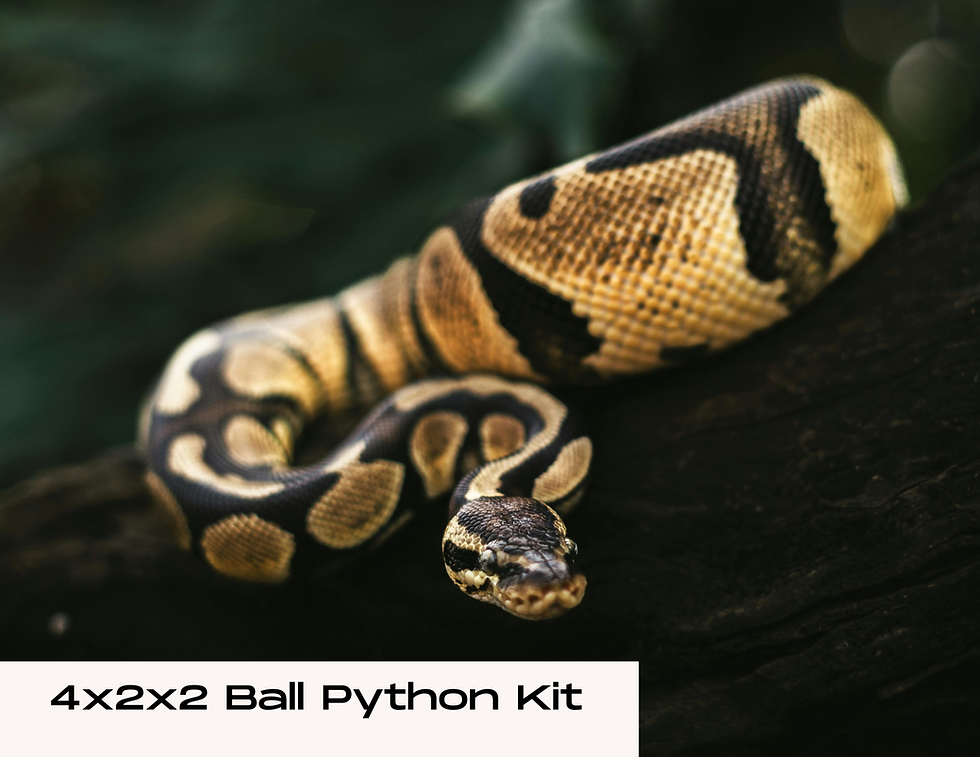
The Ball Python is a beautiful African Python that has been popular in the pet trade for many years! This snake is found in Sub-Saharan Africa eastwards from the west coast of Senegal towards Chad and Sudan. Their native range is quite vast, and their habitat preference is varied due to this. In their native habitat, they can be found in tropical Savannah, Grasslands, Sparsely wooded areas, and Agricultural land.
.jpg)
.jpg)
Ball Python Natural History, Physical Characteristics:
Ball Pythons in their native habitat are considered to be a smaller African Python; they are classified as medium-sized constrictors with small heads, stocky bodies, and smooth scales. In their native habitat, they feature dark brown/black patterns on a lighter colored base, ranging from tan to gold, with Ivory/white underside. This coloration serves as highly effective camouflage in African Savannahs, Grasslands, and Wooded areas throughout their range.
In captivity, they feature many different color morphs.
Ball Pythons are Sexually Dimorphic- meaning you can tell the difference between males and females from looking at them!
You can tell the difference between them from their overall size.
Females are generally larger and can grow up to 5ft long.
Males generally average between 3- 4 ft long.
In addition to their physical traits, Ball pythons also have Anatomical adaptations that aid them in their lives in the wild! A few of these to note are:
Heat-Sensing pits:
Ball Pythons have a series of pits along their upper and lower lips that allow them to detect infrared heat from warm-blooded prey, even in total darkness.
Dentition & Jaw:
Ball Pythons are non-venomous, but their mouths are specially equipped to take down their prey. Ball pythons' mouths are equipped with roughly 100-150 recurved teeth designed to hook onto their prey, their flexible jaw ligaments allow them to swallow their prey whole.
Ball Defense:
Ball Pythons gained their western name from their "Ball" like defense. Their heavily muscled bodies allow them to roll into a tight, protective spherical coil with their head tucked safely in the center when threatened.
.jpg)
Ball Python Natural History: Diet and Reproduction:
Diet:
In their native habitat, the Ball Python's primary diet consists of small mammals. In their range, they act as a pest repellent or pest control agent, controlling shrew, mouse, and rat populations. Due to their position on the savannah's food web, Ball Pythons rely on their crepuscular(most active at dawn and dusk) and ambush predatory strategy. Ball pythons' primary predators are raptors, larger carnivores, and other reptiles.
Reproduction:
In the Ball Pythons Native habitat, their range experiences wet and dry seasons. Mating occurs during the dry season, and the females will lay their eggs; their clutches can range from 2-10 eggs.
Female Ball Pythons differ from other snake species; they will coil tightly around their eggs to incubate them, shivering their muscles to maintain an optimal temperature range.
When it's time for the eggs to hatch, the mother will leave the clutch. The hatchlings will emerge fully independent; they will spend the first few months of their lives close to the nest to avoid predators.
%20(91).png)
Enrichment for a Ball Python in a BioActive enclosure:
Ball pythons have an extensive range in the wild; when designing and building a ball python BioActive enclosure, it is essential to remember this. Building a habitat that satisfies your ball python's natural curiosity can be tricky; they are notorious for killing plants and can be picky about their substrate. Here at BioActive Supply, we've used our past experiences as zoo keepers and ball python owners to create a list of products that can enrich and tolerate ball pythons!
Ball pythons are huge fans of environmental and Touch Enrichment; when building a habitat for your python, add in lots of removable objects and swap them out! Two items we like to incorporate into our enclosures to provide enrichment to our snakes are wood and Leaf litter!
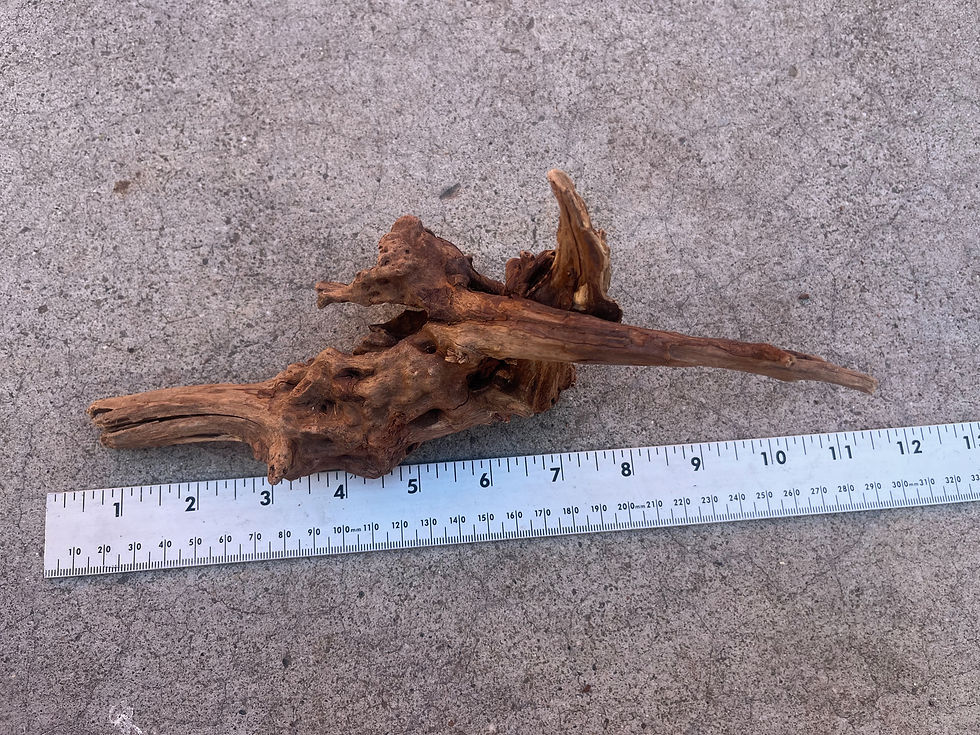
Incorporating and swapping out your wood pieces in your enclosure can be a great way to incorporate environmental enrichment into your enclosure. Bringing in new climbing structures can encourage your snake to explore their enclosure and exercise.
Leaf Litter overall is a great addition to any BioActive build! From an enrichment standpoint, it provides new textures for your snake to explore; Different leaves have different textures.
Incorporating new elements into a pre-existing enclosure can encourage your snake to exercise more and can overall benefit their mental health, leading to less stressed behaviors!
.png)
%20(93).png)
Ball Python Products
It can be frustrating putting together a BioActive enclosure for the first time, there are so many contradictory information sources on what to do and what not to do! Here at BioActive Supply, we pull from years of keeping animals both professionally and personally to help out keepers of all experience levels! Below we will list products ranging from set-up kits to individual item that are well suited for Ball Pythons!
Ball Python Kits:
Ball Python Substrate: